
Introduction
Burns injuries can happen to anyone, often when least expected. Whether at home or outside, burns can cause pain and damage to the skin. Because quick action matters, knowing first aid for burns is important. In this guide, you will learn about burns injuries, their symptoms, causes, and how to prevent them. You will also find tips on burns treatment at home and when to seek help.
What Are Burns Injuries?
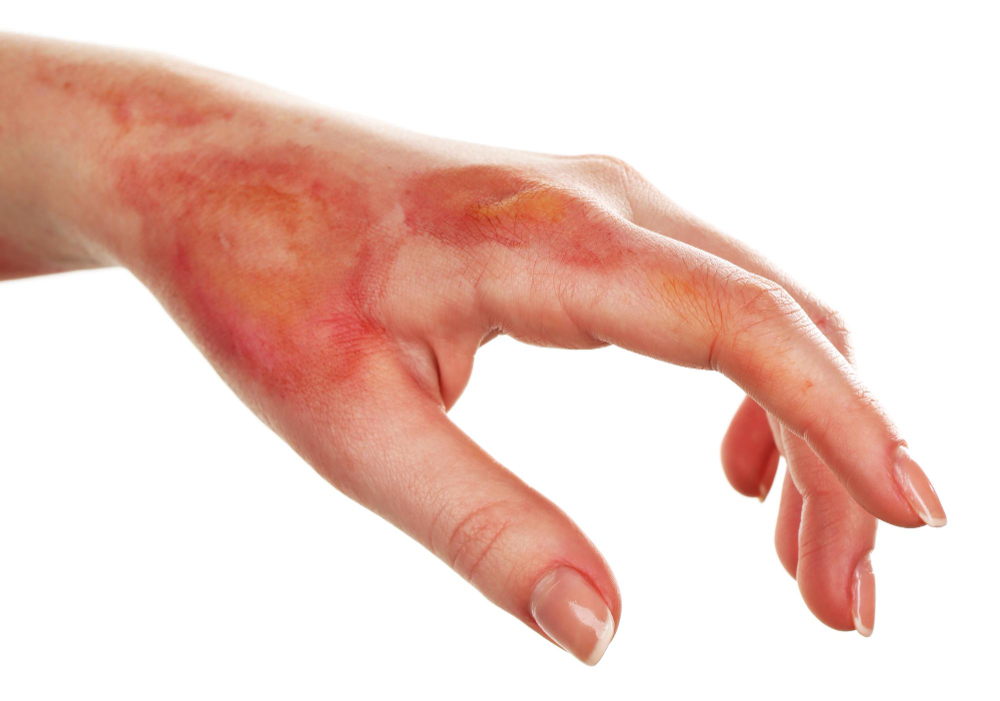
Burns injuries are wounds caused by heat, chemicals, electricity, or radiation. They damage the skin and sometimes deeper tissues. While some burns are mild, others can be serious and need medical care. Understanding the basics helps you respond quickly and safely.
Common Symptoms
Burns injuries can look and feel different based on their severity. However, some common symptoms include:
Sometimes, burns may also cause fever or chills if infection sets in. Therefore, watch for any changes.
Causes of Burns
Burns injuries can happen in many ways. Some common causes include:
Because burns can happen anywhere, always stay alert, especially around children.
Types of Burns
Doctors group burns by how deep they go into the skin. The main types are:
Because deeper burns are more serious, they need quick medical care.
Diagnosis
Doctors diagnose burns injuries by looking at the skin and asking about the cause. They check how deep the burn is and how much of the body it covers. Sometimes, they may order tests if the burn is severe. Early diagnosis helps guide the right treatment.
Immediate First Aid Steps
Quick first aid for burns can reduce damage and pain. If you or someone else gets burned, follow these steps:
Because quick action matters, always call for help if the burn is large or deep.
Treatment Options
Treatment for burns injuries depends on their type and severity. For minor burns, you can often treat them at home. However, serious burns need medical care. Common treatments include:
Because infection is a risk, always keep burns clean and dry.
Prevention Tips
Many burns injuries can be prevented with simple steps. To help keep yourself and your family safe, try these tips:
Because prevention is easier than treatment, make safety a habit at home and work.
When to Seek Emergency Care
Some burns injuries need urgent medical help. Call emergency services or go to the hospital if:
Because quick care can save lives, do not wait if you are unsure.
Conclusion
Burns injuries can be painful and sometimes dangerous. However, knowing the symptoms, causes, and first aid steps can make a significant difference in minimizing damage. Always follow prevention tips and act quickly if a burn occurs. If you or someone you know experiences a burn injury, consult a healthcare professional at THAJ Health Care Centre for personalized advice and treatment.
Contact THAJ Health Care Centre today for expert burn care and prevention tips!